
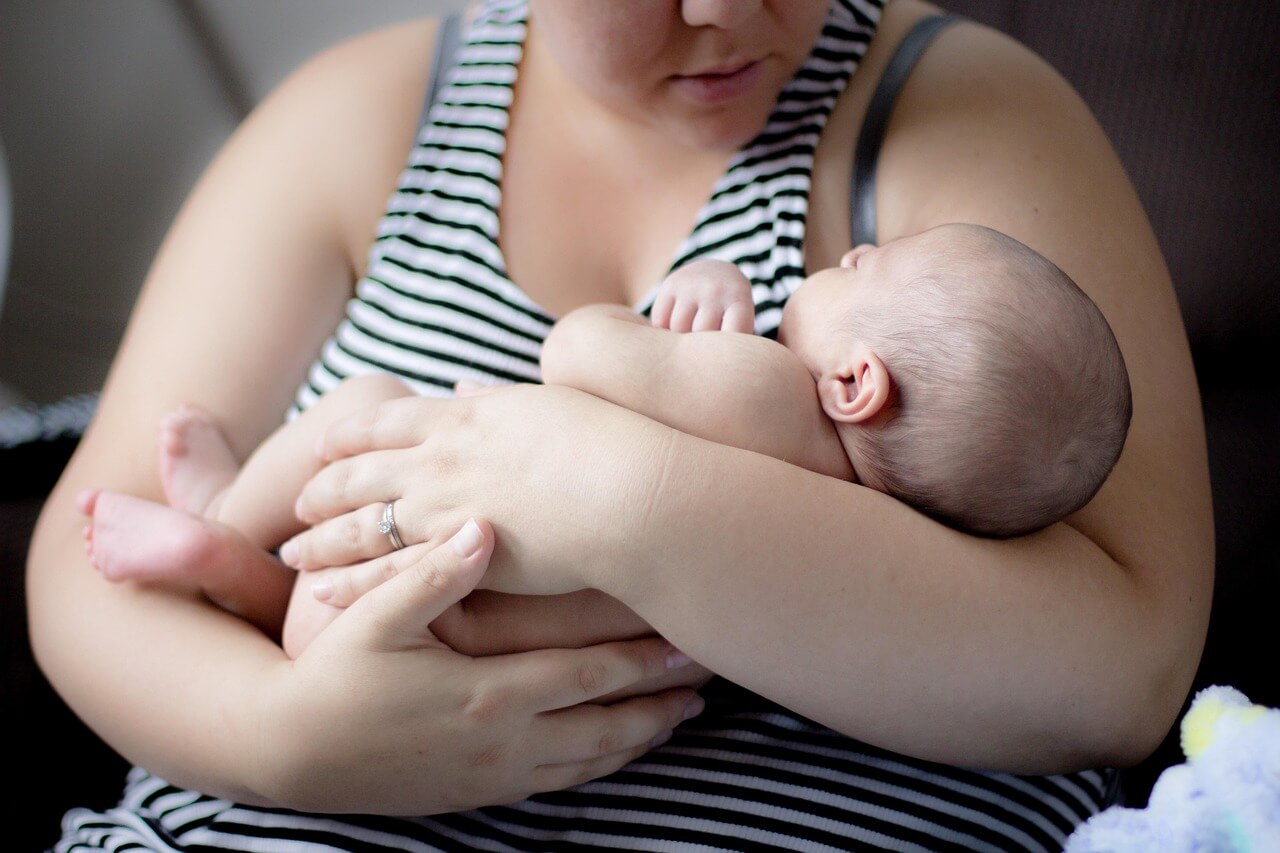
A woman can produce breast milk for as long as she continues to breastfeed or pump regularly. There’s no fixed cut-off date. Lactation generally continues as long as milk is removed from the breast. The more milk that’s removed, the more the body makes to replace it.
Of course, how long you produce milk depends on your body, your routine, and your own choices. Some moms nurse for a few months. Others go well past two years.
Honestly, wherever you land is fine.
So, How Long Can You Actually Keep Producing Milk?
There’s no biological expiry date on breast milk production. The World Health Organization recommends exclusive breastfeeding for the first 6 months, followed by continued breastfeeding alongside solid foods up to 2 years or beyond.
But “up to 2 years” is a guideline for infant nutrition. It is not a signal for your body to shut down. Your body will keep making it as long as your breasts are being stimulated and milk is being removed.
In rare cases but with consistent stimulation and favorable hormonal conditions, some women can maintain milk production for significantly longer. This is rare, but it’s a real reminder that your body follows demand, not a calendar.
The moment you start feeding less or stop altogether, your body will reduce producing and supply will begin to drop.
What Affects How Long You Produce Milk?
Your milk supply isn’t set in stone. Several things influence how long it lasts and how well it holds up:
How often you feed or pump: This one matters more than anything else. Breast milk is made on demand. Skip feeds regularly, and your supply will start to dip.
Your hormone levels: Prolactin is the hormone that drives milk production. Every time your baby nurses, prolactin levels rise and signal your body to keep making milk. Oxytocin handles the let-down that release of milk when your baby latches or when you hear them cry.
Stress and emotional wellbeing: People don’t talk about this enough but stress quietly messes with your milk. High stress can interfere with your let-down reflex and gradually affect supply. Rest, support, and feeling calm genuinely make a difference. Not just emotionally, but physically.
Your overall health and nutrition Staying hydrated and eating enough are basics that matter more than most people realise. Your body needs fuel because it is working hard to produce milk.
Can You Produce Milk Years After Stopping?
Yes. Most mothers have no idea this is even possible.
Even after breastfeeding has stopped, the mammary glands retain some ability to produce milk. The alveoli and ducts don’t completely disappear, they become dormant. These structures can become active again. Milk production can resume with the right stimulation.
Relactation is possible. Many moms have done it successfully. It takes consistency and patience.
How to Stop Producing Breast Milk
The most important thing is to go gradually when you’re ready to wean. Stopping suddenly can lead to painful engorgement and increase the risk of mastitis. It’s a breast infection that is as painful as it sounds.
Here’s what actually helps:
Drop one feed at a time: Drop one breastfeeding session every 3–4 days to give your breasts time to adjust and downregulate supply.
Express just enough to stay comfortable: You don’t want to fully empty the breast during weaning, but you also don’t want to leave yourself in agony. Expressing just enough to stay comfortable will avoid mastitis without signalling your body to keep producing at full capacity.
Avoid stimulation: The less you stimulate your breasts, the quicker your body gets the message to wind down. Avoid pumping, and try not to let hot water touch directly on your breasts in the shower. It can trigger let-down even when you’re trying to dry up.
Expect the full process to take a few weeks. Some milk production may continue for a month or two and its completely normal.
Frequently Asked Questions
Does breast milk change the longer you breastfeed?
Yes. Breast milk adapts constantly to your baby’s changing needs. The composition at 6 months is different from what it was in the first week. Your body is quietly adjusting the whole time, even when you don’t notice it.
Can stress dry up your milk supply?
Stress doesn’t directly dry up your supply, but it can interfere with your let-down reflex, making it harder for milk to flow. Over time, if feeds feel less effective, supply can be impacted.
What if my milk is slow to come in after birth?
More common than you’d think, and it doesn’t mean something is wrong. Frequent feeding, skin-to-skin contact, and staying calm all help. If you’re worried, reach out to a lactation consultant rather than waiting it out alone.
Can You Produce Milk after Menopause?
It is biologically possible for a postmenopausal woman to produce breast milk through induced lactation. There are documented cases of postmenopausal women including a 61-year-old who successfully established breastfeeding.
Disclaimer: Information is for informational purposes only and does not replace professional medical advice.
References:
- https://pmc.ncbi.nlm.nih.gov/articles/PMC6013763/
- https://my.clevelandclinic.org/health/body/22201-lactation
- https://www.aboutkidshealth.ca/breastfeeding-decreasing-or-stopping-your-breastmilk-production
- https://www.cincinnatichildrens.org/health/w/weaning

MotherHow writes and publishes practical, easy-to-understand articles and guides for mothers and families. Articles are designed to support real-life needs and is intended for general informational purposes only. Read more about MotherHow Desk.