

When spring arrives, families often feel a renewed burst of energy and possibility. The daylight stretches longer, the weather invites everyone outside, and after-school calendars fill up fast. For busy parents, managing this lively season means finding a rhythm that keeps kids active, focused, and happy—without feeling like every day is a race against the clock. Creating a thoughtful spring routine can make all the difference between chaos and calm.
Embracing the Shift in Seasons
As the days warm up, routines naturally shift. Mornings become brighter, and kids often wake up with more enthusiasm. This can be a great time to adjust your family’s schedule. Instead of lingering indoors after school, plan for more outdoor play and open-ended time outside before diving into homework.
An effective spring routine starts with understanding your family’s priorities. Think about what truly matters—maybe it’s consistent homework completion, more family dinners, or quality outdoor time to unwind. Building your daily schedule around those values ensures the season feels balanced, not overscheduled.
Setting a Flexible After-School Routine
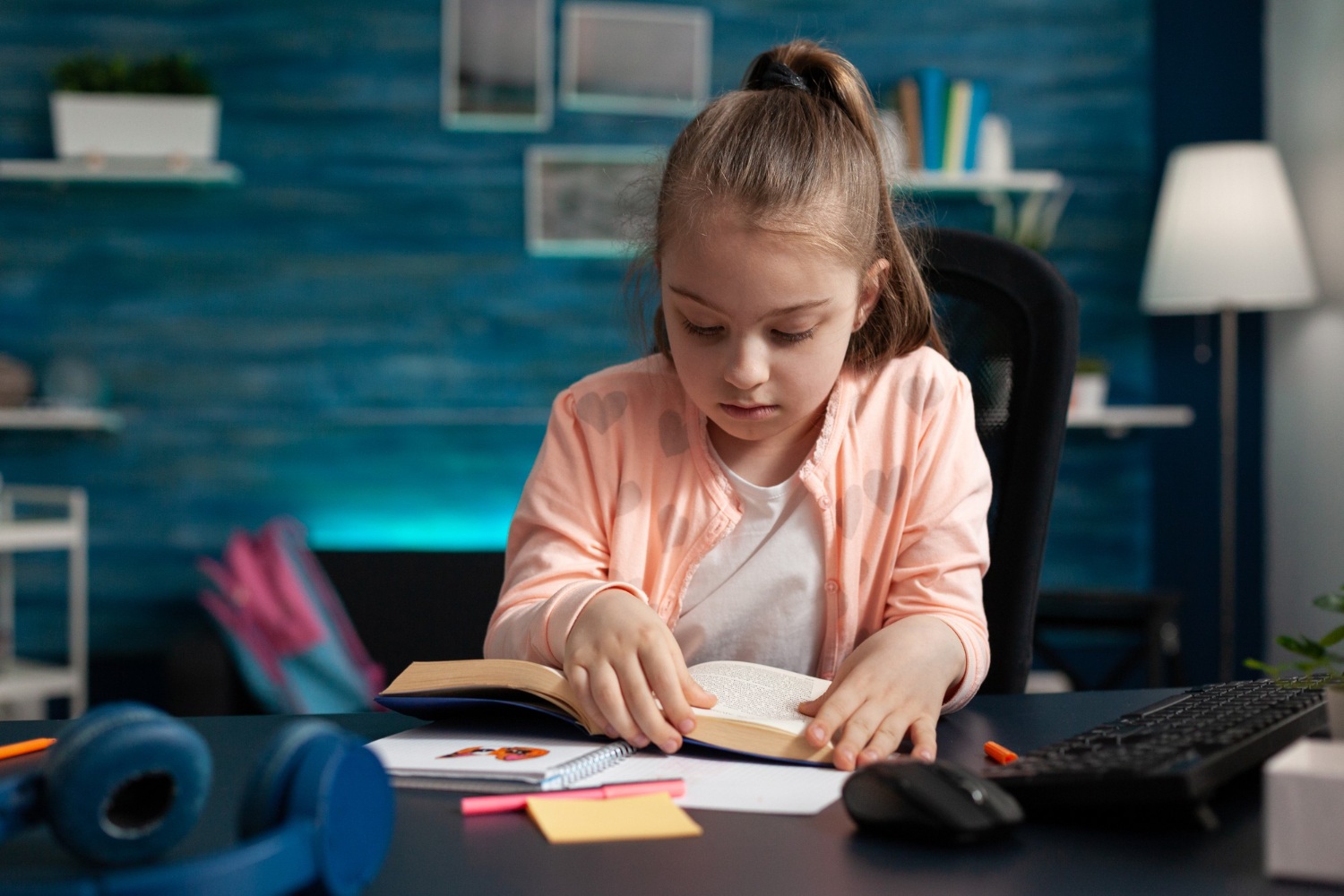
With so many spring sports, clubs, and classes available, many families face the same challenge—how to fit everything in without losing downtime. The key is flexibility paired with structure. Start by creating a visual routine chart for kids. List key time blocks such as snack time, outdoor play, activities, homework, dinner, and bedtime. Post it somewhere visible, like your kitchen bulletin board. Kids thrive when they know what’s coming next—it helps them transition smoothly between tasks and reduces end-of-day stress.
If your week includes multiple practices or shuttle runs between extracurriculars, consider designating one or two evenings per week as “no-activity” nights. Use those nights for relaxing walks, free play, or simply catching up as a family. Kids benefit from both the stimulation of organized activities and the creativity of unstructured time.
Incorporating Outdoor Play into Every Day
Spring’s mild temperatures are ideal for outdoor play, which is essential for children’s physical and emotional well-being. Even 20–30 minutes outside after school can refresh focus and boost moods.
Here are a few ways to make daily outdoor play easy:
- Keep a basket by the door with jump ropes, chalk, and frisbees ready to grab.
- Set up a “backyard challenge” each week—like who can build the best obstacle course or complete the most laps around the yard.
- Organize quick family walks before dinner. This not only gets kids moving but creates a calm transition between the busy afternoon and evening routines.
Outdoor time can also double as family bonding. Gardening together, flying kites, or planning a picnic in the park helps kids appreciate nature and gives parents a chance to slow down alongside them. If your family loves weekend adventures, pack healthy snacks, sunscreen, and one of your favorite coolers on wheels for a spontaneous spring outing.
Making Homework Time Manageable
Homework often creates friction in even the most organized homes. During spring—when energy levels soar, and distractions bloom outside—it can be especially tricky. To make homework time more productive and less stressful, consistency and environment are key.
Set up a designated homework space with minimal distractions and plenty of natural light. Try scheduling homework roughly the same time every day, ideally after a snack and some outdoor play. Physical activity beforehand helps kids settle down more easily to focus on cognitive tasks.
For younger children, work alongside them for short bursts of concentration, followed by brief breaks. Older kids may appreciate background music or ambient noise to help them focus. Avoid assigned screen time until homework is complete—it helps maintain a clear boundary between work and relaxation.
Maintaining Family Connection Amid the Busyness

When every day feels like a sprint, family connection can take a backseat. But small, consistent moments of togetherness can strengthen bonds and bring joy into routine days.
Try implementing one or two simple rituals:
- Family dinner check-ins: Take turns sharing “one good thing” from the day.
- Friday night reset: Watch a favorite movie or play a quick board game to unwind before the weekend.
- Morning moments: Even a five-minute chat over breakfast helps everyone start the day grounded.
Building connection into your spring routine doesn’t have to mean planning elaborate outings or events—it’s about weaving mindfulness into everyday interactions.
Simplifying Weekend Plans
Weekends often fill up fast once sports, birthday parties, and errands come into play. Keep a portion of your weekend deliberately unscheduled. This open time gives everyone a chance to recharge and pursue hobbies that might get overlooked during the week. Plan one outdoor family activity per weekend—like hiking, biking, or visiting a local farmers’ market. If you plan around the weather, you’ll naturally find yourself moving more while enjoying the fresh air and spring scenery.
Creating Balance That Lasts
A strong spring routine can set the tone for a calmer, happier household all year long. It’s not about packing every minute with productivity but rather finding a flow that merges responsibilities with enjoyment. Parents who model balance—choosing rest sometimes over rushing—teach their children to appreciate both structure and spontaneity.
This season, aim for progress over perfection. Some afternoons will go smoothly, while others may unravel—but that’s the beauty of family life. With a little planning, a dash of flexibility, and plenty of outdoor time, your family can savor spring feeling connected, capable, and content.

Marion is a content writer and editor. Her posts are always informative and up-to-date due to her admirable professionalism and distinctive way with words. In her free time, Marion plays with her two beautiful kids and takes care of her garden.